Sector
By industry & environment · pick your sector
Government & Public
Ambient & Communities Monitoring
Traffic & Marine Emission
All Government & Public >>>
Industry & Construction
Industrial Emission Monitoring
VOCs & Odour Monitoring
Construction
All Industry & Construction >>>
Transport & Infrastructure
Traffic & Marine Emission
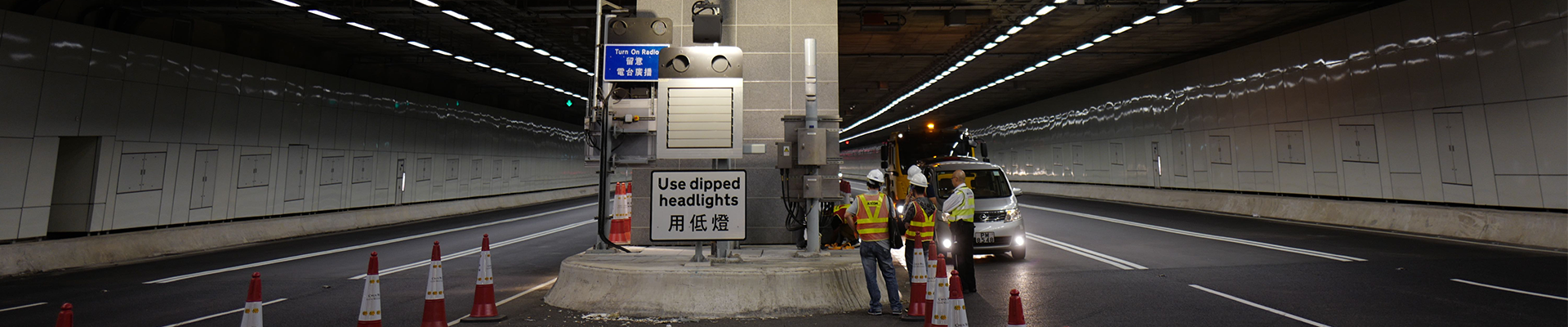
Tunnels, Parking & Transportation Hubs
All Transport & Infrastructure >>>
Buildings & Heritage
Indoor Air Quality & Green Building
Heritage & Museum
All Buildings & Heritage >>>
Research & Specialist
Drone-Based Monitoring and Sampling
Harsh Environments
Sport Events and Emergency Monitoring
All Research & Specialist >>>
Semiconductor & Electronics · SOON
All Semiconductor & Electronics >>>
Oil, Gas & Energy · SOON
All Oil, Gas & Energy >>>
Measurements
By measurement · what we monitor
Product
Ambient & Fixed Stations
Mini Air Station (MAS)
Ambient station
Nano Air Station (NAS)
Community station
Sensor Tube
Roadside sensor
Vehicle and Vessel Emissions
Sirius
UAV / drone
Vehicle Emission Plume Detection Systems
Plume chasing
Portable & Personal
Personal Exposure Kit (PEK)
Wearable
Personal Exposure Sampler (PES)
Personal sampler
Portable Air Station (PAS)
Portable station
Greenhouse Gas Leakage Detection and Monitoring
Methane Survey Drone (MSD)
Methane UAV